Great journey of BEMM129-Final reflection

This blog is to reflect on my journey of taking BEMM129. According to Finlay’s (2008) statement, the key aspect of reflective practice involves recapturing practice experiences and engaging in critical reflection in order to gain new understandings and so improve future practice. The process of reflection is a cycle, which is understood as part of the process of life-long learning, introduced by Gibbs (1998). I will follow the process to make my reflections. 
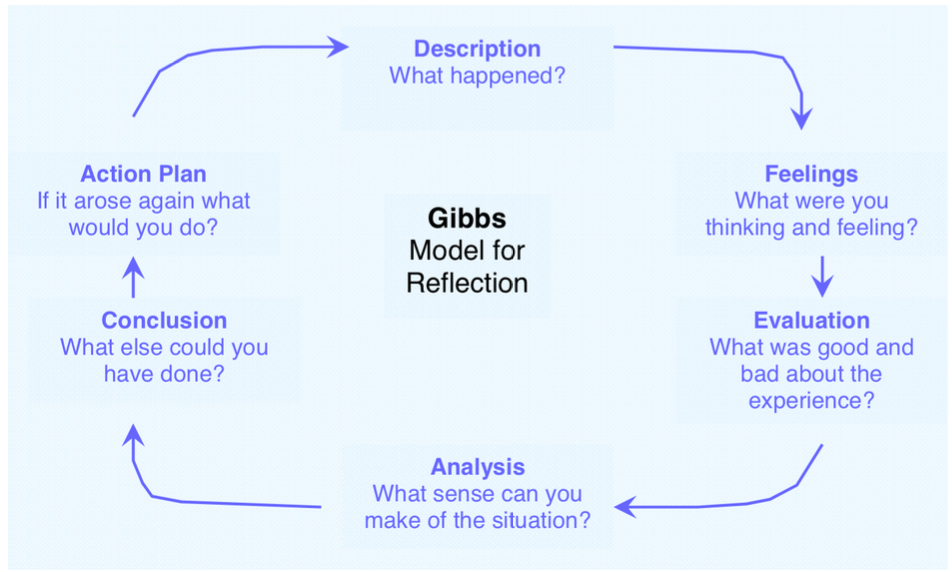
Gibbs’ reflective cycle

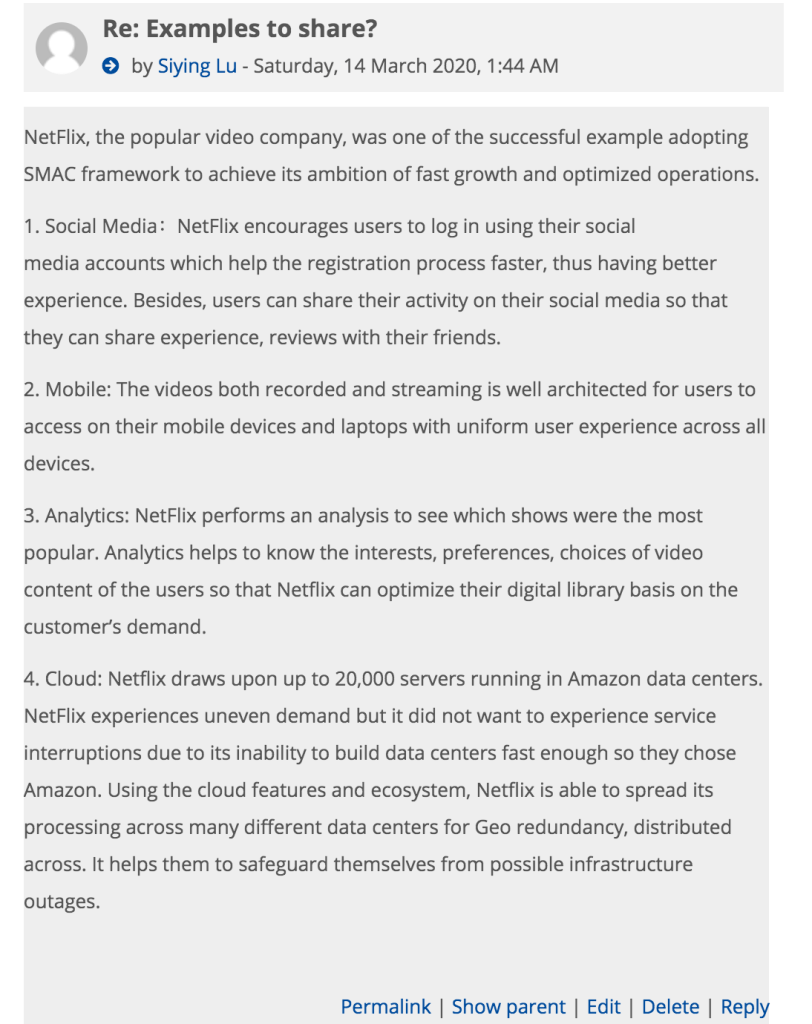
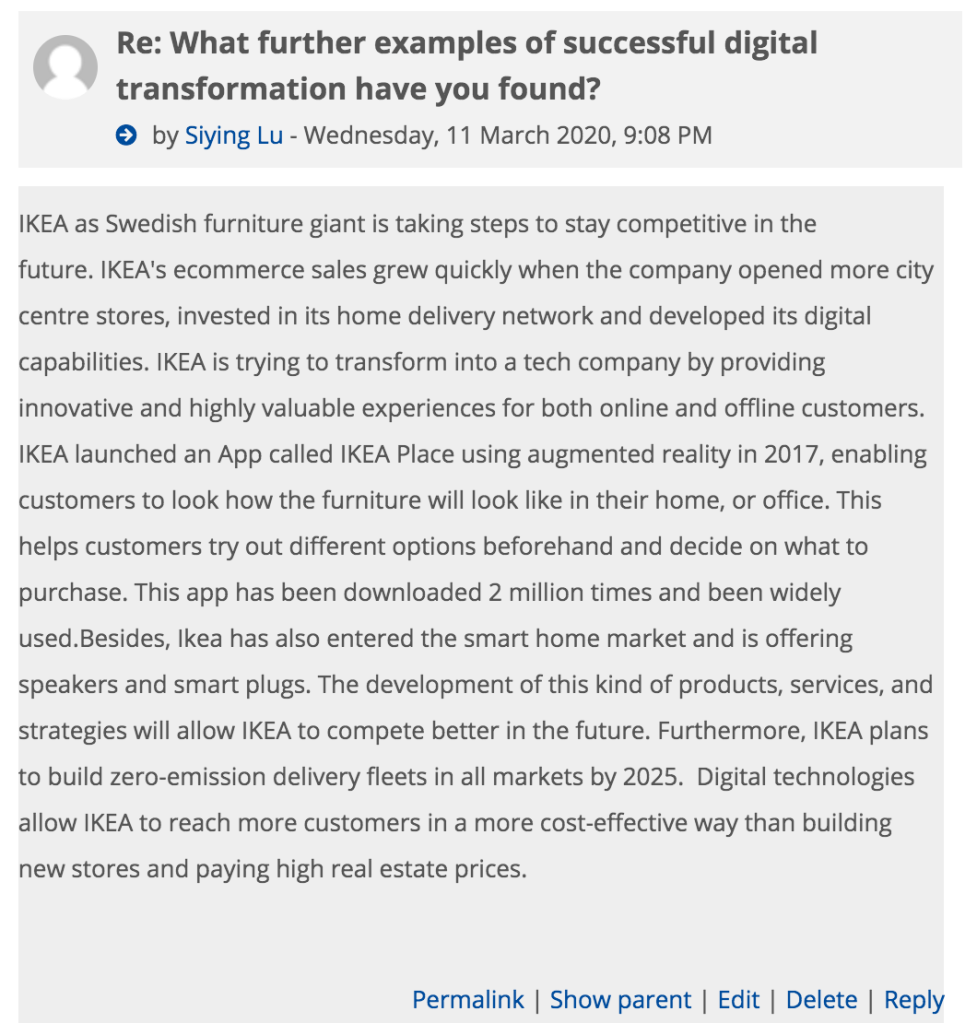
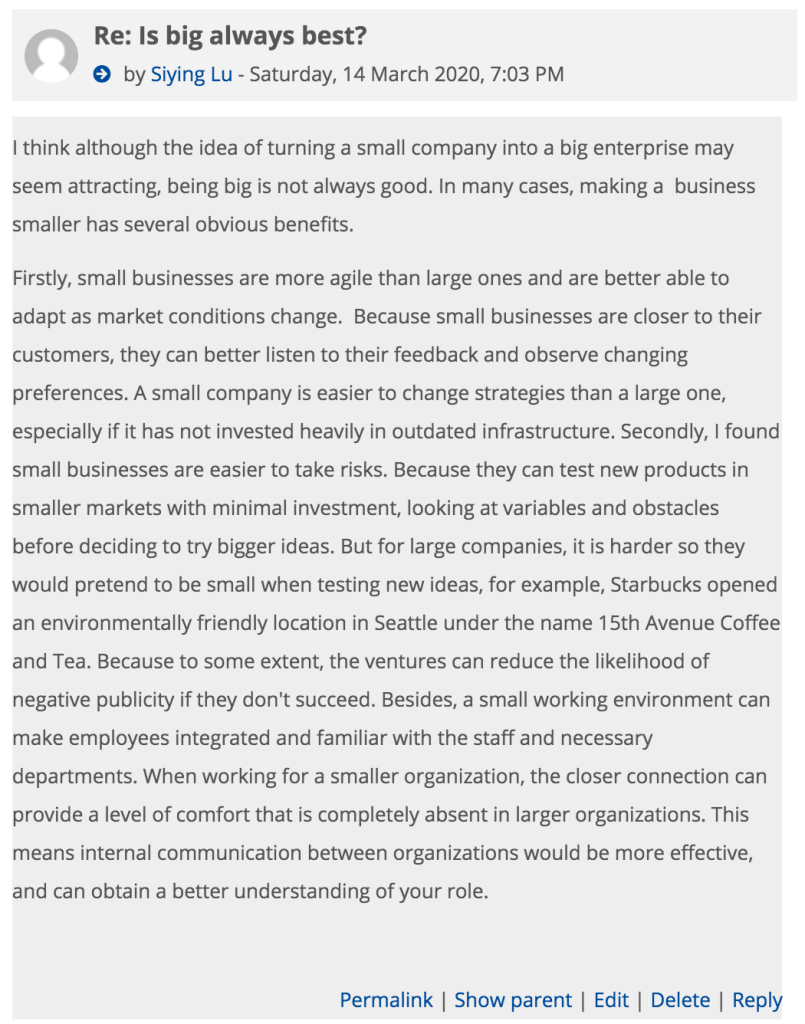
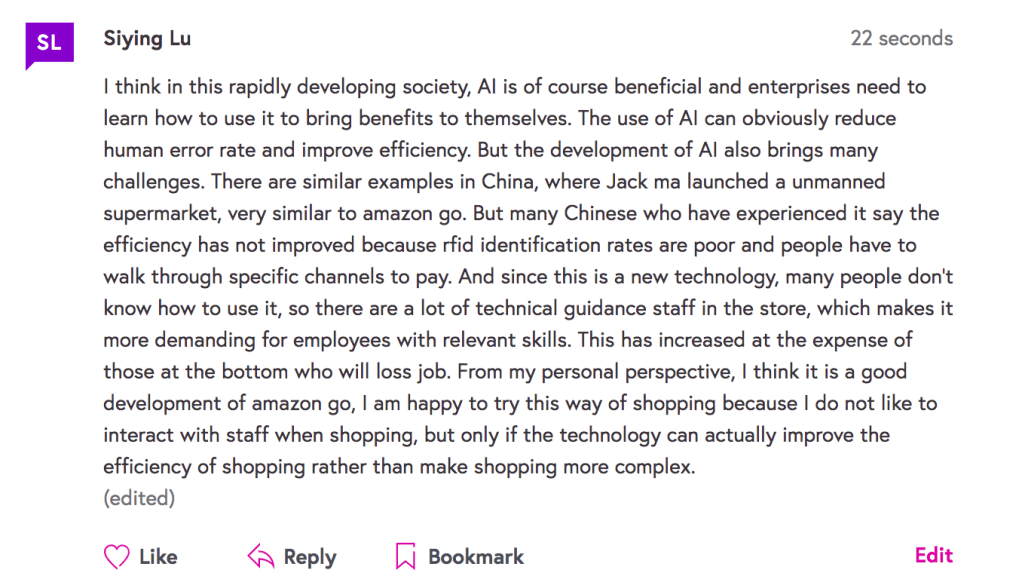
BEMM129 focuses on online interaction and discussion in order to develop my critical thinking skills and digital literacies. In this module, I contributed to online discussion on module materials weekly, as well as undertake MOOC learning to expand my knowledge of the digital world and engage in the interactions with other peers. 
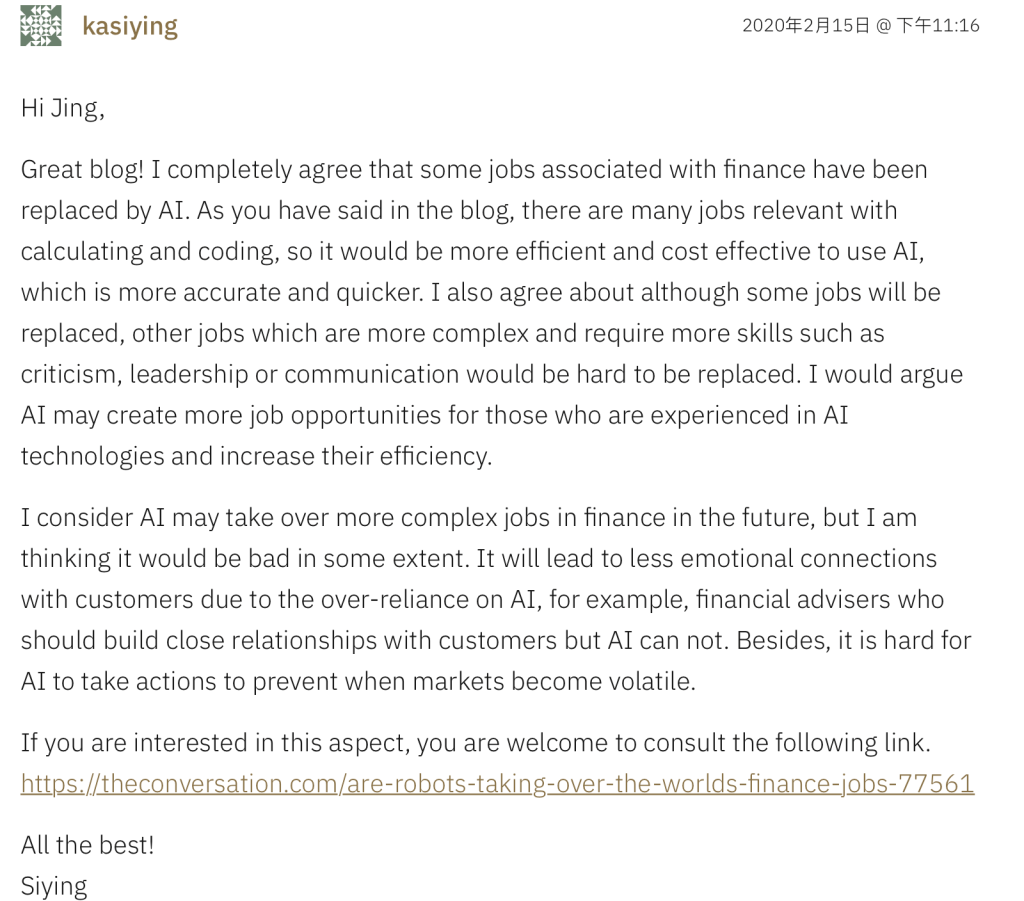
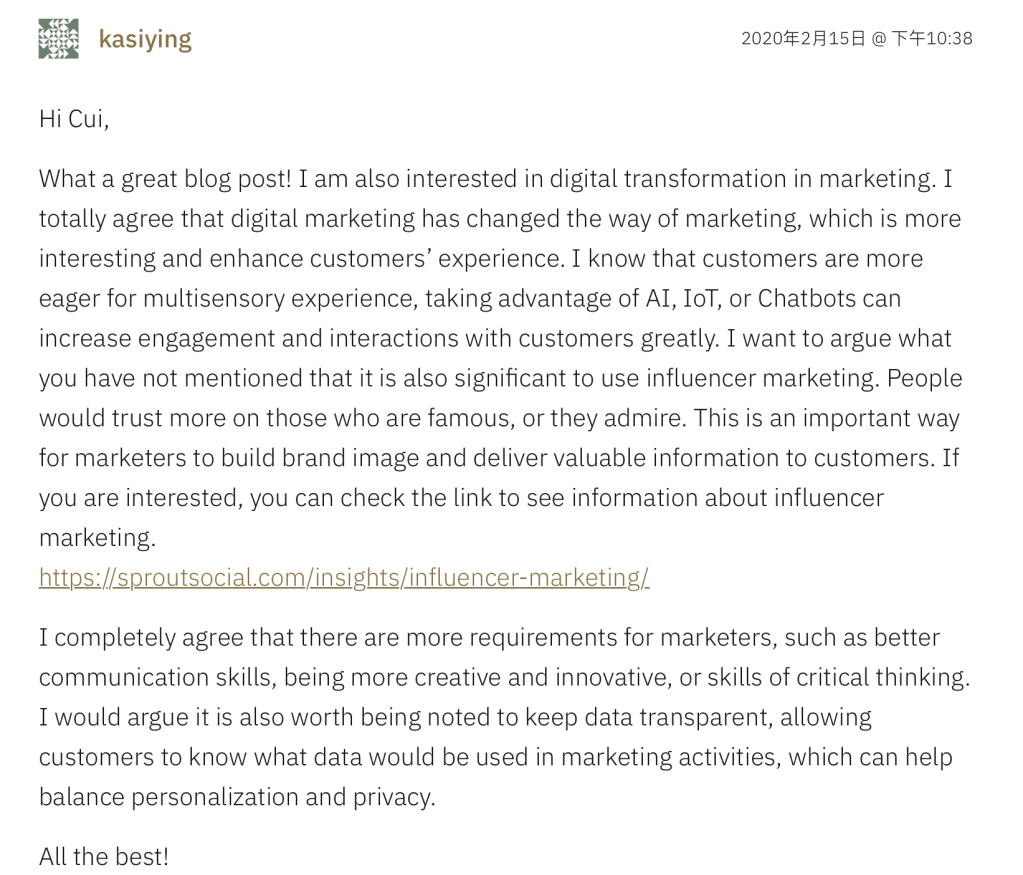
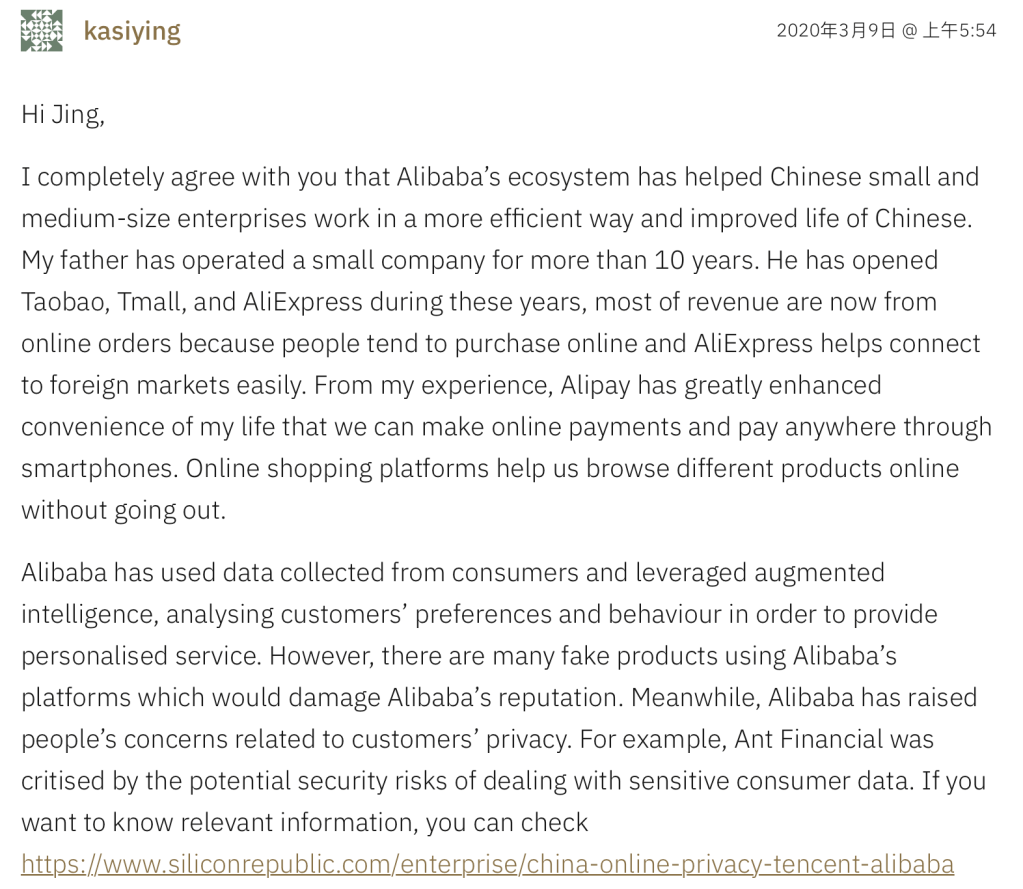
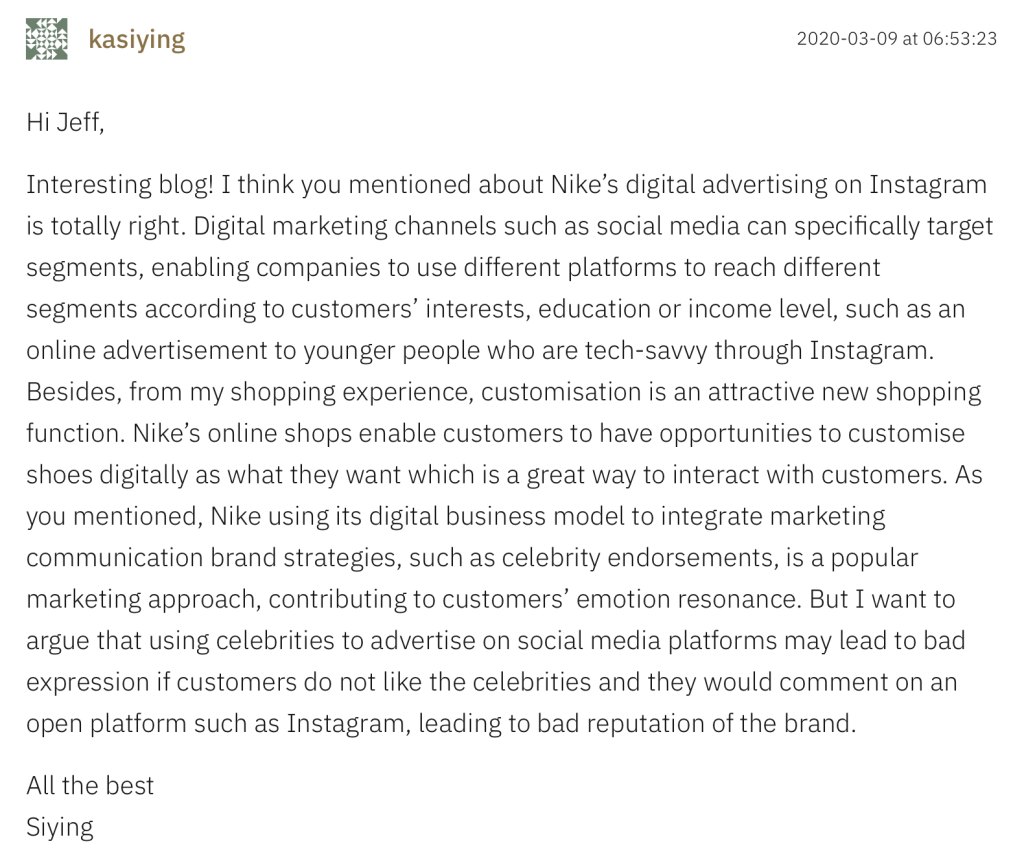
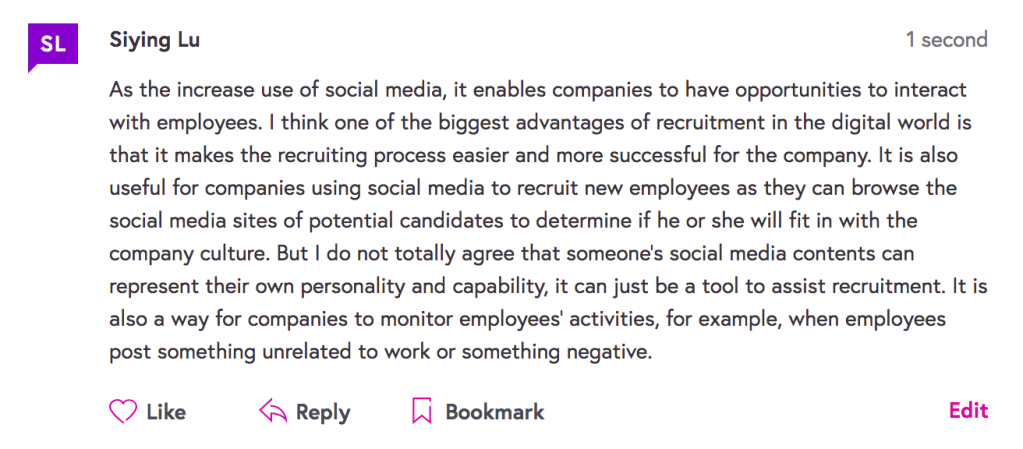
My comments on peers’ blogs

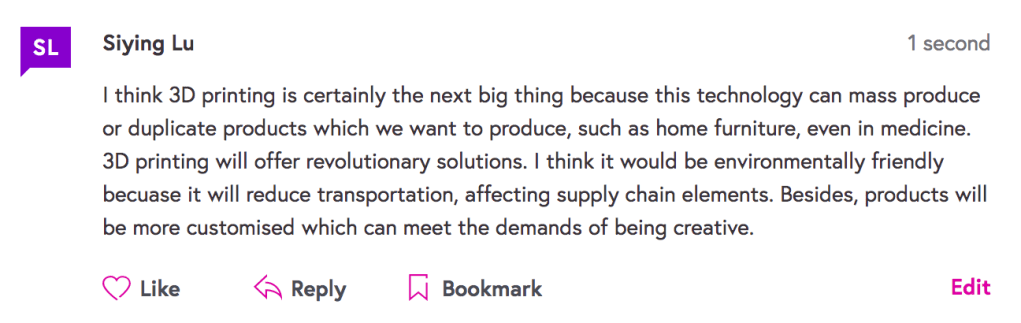
My discussions on ELE weekly

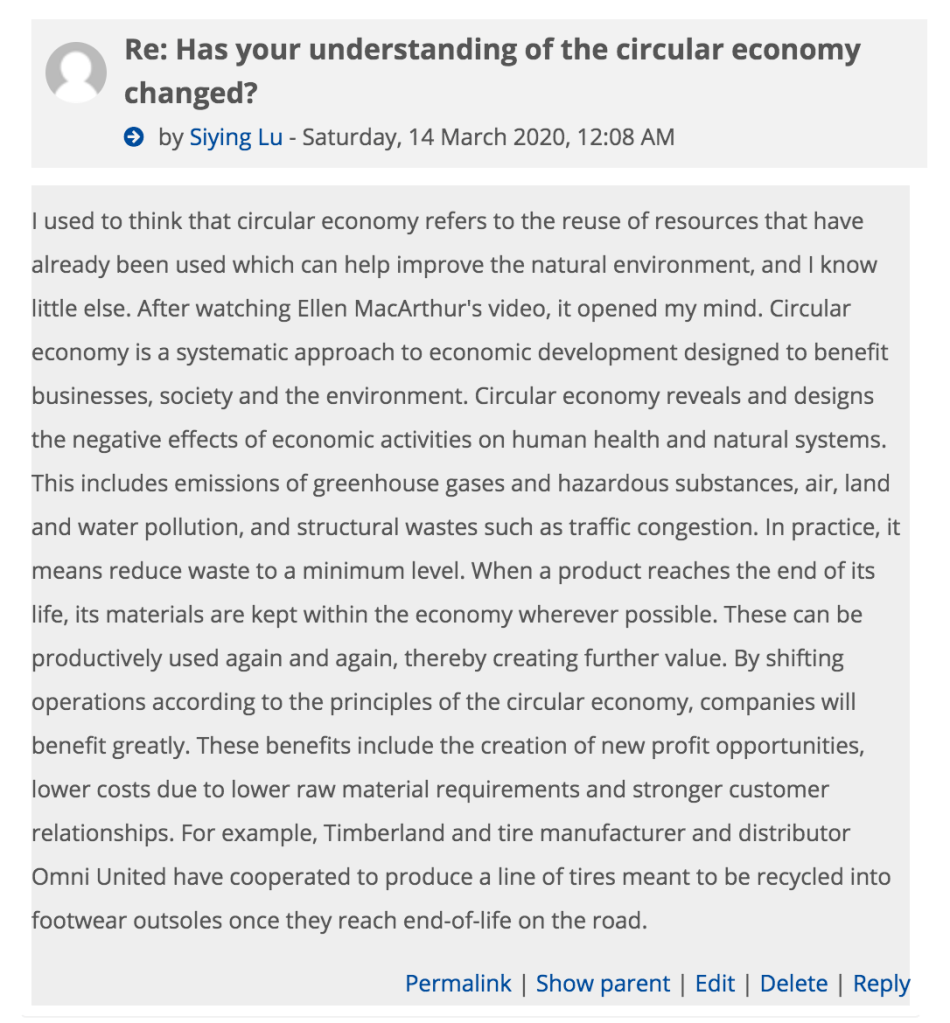
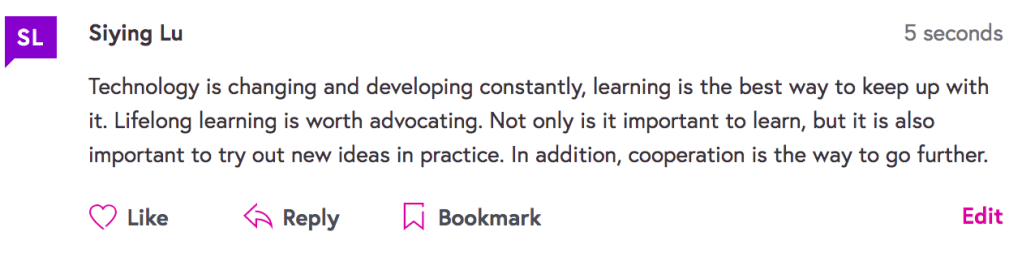
My participations on MOOC

I was nervous and excited when I started to take this module. I was afraid of lacking digital literacies and related skills to support this module. Meanwhile, I was excited because I know digital transformation is inevitable that has revolutionised the way we work (Barker, 2018). After taking this module, I found the form of learning is open and interacting which enabled me to participate on online communities and build online networks, as well as evaluate different online materials. 

The process of learning is not only writing and discussing on blogs and topics, but also evaluating and analysing on my work. The design of this module enables me to learn from peers, alumni and business partners to expand my knowledge and think in different perspectives. Through reading peers’ blogs and comments on my work, it helped me question my thoughts and self-evaluate which enhanced my understanding of widespread use of digital business models in the society and its opportunities and challenges.
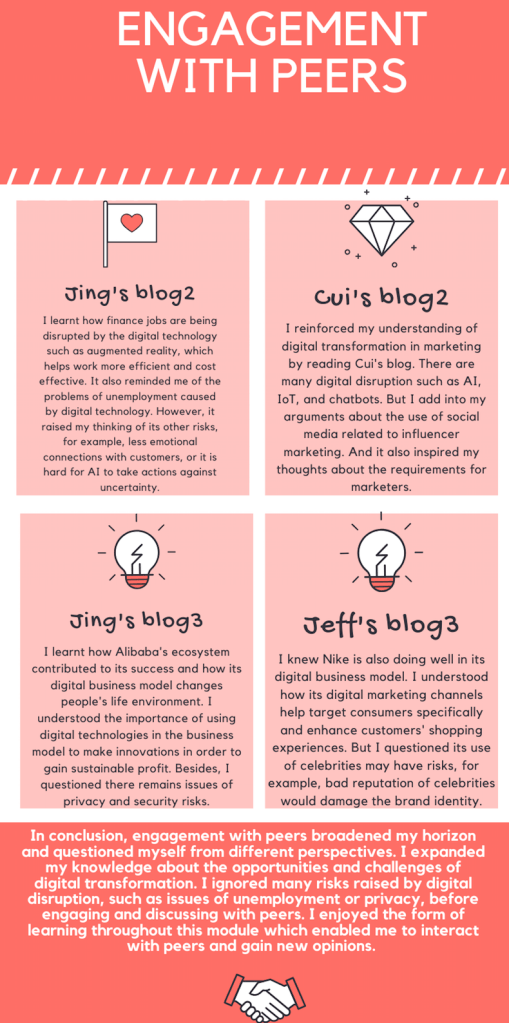
My reflections on the engagement with peers – created by Siying on Canva

I also developed my skills in blogging and creating online materials such as infographics, videos and slideshows. However, I was unsuccessful in trying others such as audios. By actively engaging in MOOC and ELE discussions, I developed my knowledge and skills needed to achieve desired career goals in workplaces and made aware of new opportunities in the digital industry. 
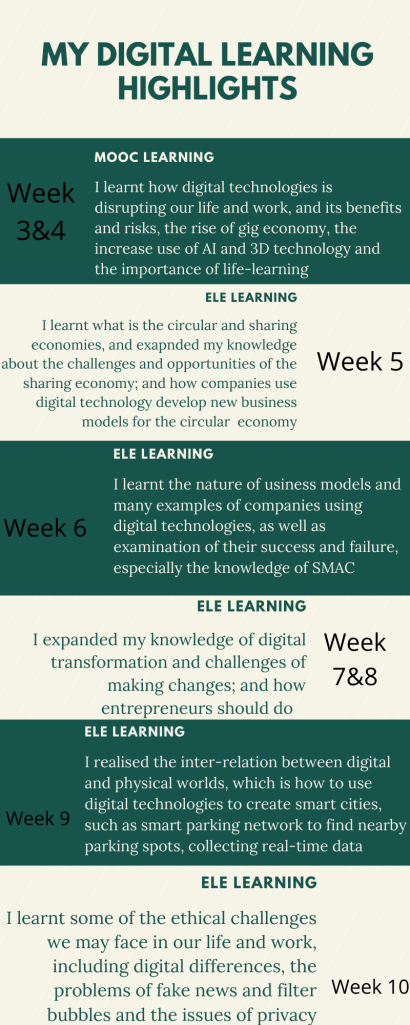
My learning from MOOC and ELE – created by Siying on Canva

The skills and knowledge gained from this module will contribute to my further plans instead of ending here. The most interesting change for me is to start use social networking sites such as LinkedIn for my future career plans due to the increase use of social media to interact with employers and companies, as the research shows LinkedIn is the most popular social media platforms used in recruitment (Whitelegg, 2019). Meanwhile, I will also try to use Twitter in the future to participate in many high-quality academic discussions, as it enables academia to interact directly with people in other knowledge industries (Iber, 2016) and allows real-time updates and continuous interaction (Murray, 2019). I thought the module was engaging and beneficial so I have subscribed into other MOOCs and I will keep blogging for career plans.
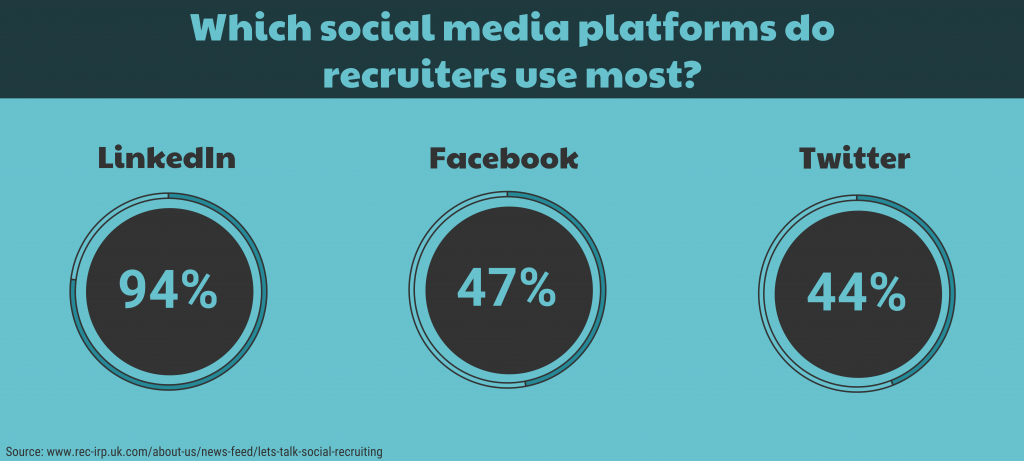
Which social media platforms do recruiters use most? – Retrieved from https://www.agencycentral.co.uk/recruitment-spotlight/social-media-and-recruitment-guide/
Summary of my reflections – Created by Siying on Biteable

Sources:

  1. Barker, S. (2018). The Importance of Digital Skills in the Workplace. Retrieved from https://www.seetec.co.uk/employer/insights/the-importance-of-digital-skills-in-the-workplace
  2. Finlay, L. (2008). Reflecting on ‘Reflective practice’. Practice-based Professional Learning Paper 52, The Open University. Retrieved from  http://oro.open.ac.uk/68945/1/Finlay-%282008%29-Reflecting-on-reflective-practice-PBPL-paper-52.pdf
  3. Gibbs, G. (1988). Learning by doing: a guide to teaching and learning methods. Oxford: Further Education Unit, Oxford Polytechnic.
  4. Iber, P. (2016). A Defense of Academic Twitter. Retrieved from  https://www.insidehighered.com/advice/2016/10/19/how-academics-can-use-twitter-most-effectively-essay
  5. Murray, J. (2019). How to use Twitter to find a job in 2020. Retrieved from  https://www.savethestudent.org/student-jobs/how-to-get-a-job-using-twitter.html
  6. Whitelegg, D. (2019). How are recruitment agencies using social media and what are the benefits? Retrieved from  https://www.agencycentral.co.uk/recruitment-spotlight/social-media-and-recruitment-guide/

Link to the comments:

  1. Jing’s blog2: The Financial Industry Under the Impact of Digital Economy and Artificial Intelligence. https://jj435exeterdrive.car.blog/2020/02/13/the-financial-industry-under-the-impact-of-digital-economy-and-artificial-intelligence/
  2. Cui’s blog2: Transformation in the role of marketing managers. https://aozhe.travel.blog/2020/02/10/example-post/
  3. Jing’s blog3: Alibaba’s Development Under Digital Bussiness.  https://jj435exeterdrive.car.blog/2020/03/04/alibabas-development-under-digital-bussiness/
  4. Jeff’s blog3: Nike Digital Business Model. https://jeff745.music.blog/2020/03/06/nike-digital-business-model-2/

How the digital business model contributed to Zara’s success

Due to the development of digital technology, the retail industry has changed. When you analyse how consumers buy products, most of the journey of shopping has been digitizsed. Zara is a Spanish clothes and accessories fashion retailer which is the flagship brand of the Inditex Group, which is devoted to providing customers with a more convenient and enjoyable experience (Hansen, 2012). Zara has successfully built a digital business model to predict customer behavior and respond quickly, contributing to its leading position in the competitive fast fashion industry rather than being left behind by the technology. Nowadays, Zara is the world’s largest retailer and Zara eCommerce is one of the most successful eShops in the world. The following content will discuss and evaluate how the digital business model of Zara has contributed to its success. 

As Uberoi (2017) claimed, the value of fast fashion brands is to bring the latest designs and trends to the market as soon as possible. Zara is targeting young and price-conscious consumers who are especially highly sensitive to the latest fashion trends (Harbott, 2011). Most traditional fashion industry runs on a bi-annual or seasonal basis, which leading to long production lead time, high stock inventory and inefficiency (Uberoi, 2017). Contrarily, one reason contributing to the success of Zara is their integrated supply chain. Zara’s strategies of reshaping supply chain paradigms and customer-to-brand relationships has made them a bold and courageous brand, setting a new standard for end-to-end value in a digital landscape. 

Zara has currently operated in 96 countries and expanded 2200 stores around the world (Tradegecko.com, 2018). With such a wide range of business, it is important for Zara to be familiar with its customers and their preferences in order to ensure consistent customer interaction with fashion products and manage supply and demand in the global offline store and online channel ecosystem. Therefore, Zara makes use of digital technology to successfully build a flexible and efficient supply chain. 

The data helps check the stocking by tagging every piece of clothing with a radiofrequency identification (RFID) microchip in order to track real-time inventory until being purchased by customers (Uberoi, 2017). Therefore, the data about inventory and the speed of a particular stock-keeping unit (SKU) moving from the shelf to the point-of-sale (POS) are constantly uploaded to the data processing center on a real-time basis from around the world (Uberoi, 2017). Besides, RFID helps to determine which items need to replenish which has enabled Zara’s inventory and stock take 80% faster than before (Uberoi, 2017). This also helps every store receive tailored inventory replenishment according to SKU inventory data on a real-time basis. In addition, Zara applies personal digital assistants, to capture real-time consumer data, such as transactions and preferences of value (O’Marah, 2016). The designers would look at the sales data from all around the world to determine the designs and make changes accordingly (Uberoi, 2017), as well as receive feedback from sales at least twice a day through the network inside Zara (Zhang, 2014). The headquarters will make decisions and send them to the production line to change clothing styles, catering to customers’ taste and preferences (Zhang, 2014). This means Zara can make improvements in time, significantly decreasing the amount of stock inventory, reducing waste and providing customers what they really want.

Zara’s employees receive real-time data from around the world in the Data Processing Center – Retrieved from https://digital.hbs.edu/platform-digit/submission/zara-achieving-the-fast-in-fast-fashion-through-analytics/

However, although big data is useful to increase efficiency and deliver value to customers, the most important factor is whether managers and manufactures have abilities to make changes as soon as possible by following up customers’ feedbacks and demands. For example, H&M is looking forward to leveraging big data and analytics to increase profit, but they failed in quickly responding to the changing demands and trends (Nigania, 2018).

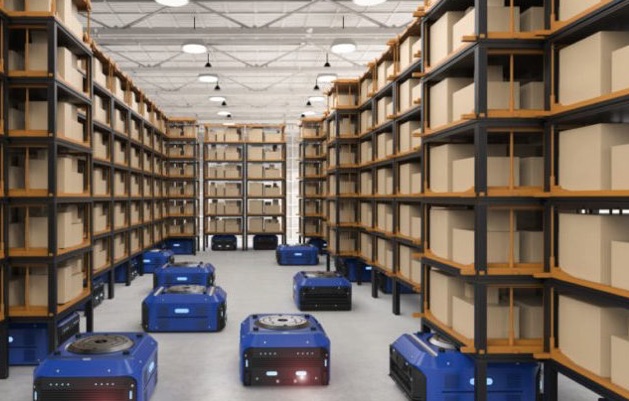
In the long term, Zara is increasingly focusing on digitalisation of consumer shopping experience. Zara has used social media platforms as a means for advertisements and interactions with customers, giving social media users the opportunity to review the latest launched products and learn about updated news. Zara has also adopted AI-powered chatbots to provide real-time assistance to offer more personalised service (Nigania, 2018). Besides, another application of disruptive technology is improving the click collection process. There are more customers preferring to order online and pick up in stores, Zara has used background robots to help customers get their orders in a more efficient way and this way can reduce human error (Morgan, 2019). This is also a key factor to reduce the backlog in stores.

Zara uses robots to fulfill customers’ orders – Retrieved from https://blog.contactpigeon.com/zara-ecommerce/

Although e-commerce platform has been popularised, Zara did not forget traditional shoppers. Zara’s latest technology enables customers to see virtual models wearing selected piece of clothing in Zara, walking and even talking through cameras on the smartphone and purchasing clothing on the model through the app (Kollinger, 2018). This is an interesting and surprising idea to provide an interactive experience to combine augmented reality elements into the real-world environment. 

There are still other aspects of application of digital technology by Zara, including self-checkout and the product recommendation system based on embedded information screens (Wonner, 2018). There is no doubt that Zara’s digital business model helps establish an efficient supply chain, build a more connected relationship with customers and bring competitive advantage to the organisation. However, the increasing use of digital technologies would lead to a high demand of high-tech talents so that the labour cost may increase. Besides, if managers cannot respond and make quick and right decisions to change, digitisation is no difference. Therefore, it is significant for businesses to collaborate with digital tools, keeping up with the fast change of trends, predicting and analysing customers’ behaviours and continuously innovating to create value for organisations.

Sources:

  1. Harbott, A. (2011). Analysing Zara’s business model. Retrieved from https://harbott.com/analysing-zaras-business-model-6ee755699a70
  2. Hansen, S. (2012). How Zara Grew Into the World’s Largest Fashion Retailer. Retrieved from https://www.nytimes.com/2012/11/11/magazine/how-zara-grew-into-the-worlds-largest-fashion-retailer.html
  3. Kollinger, S. (2018). Zara Is Changing How We Shop Through Augmented Reality. Retrieved from https://www.refinery29.com/en-us/2018/04/196382/zara-augmented-reality-app
  4. Morgan, B. (2019). The 20 Best Examples Of Using Artificial Intelligence For Retail Experiences. Retrieved from https://www.forbes.com/sites/blakemorgan/2019/03/04/the-20-best-examples-of-using-artificial-intelligence-for-retail-experiences/#109743f14466
  5. Nigania, J. (2018). ZARA: Leveraging AI, Big Data and Analytics. Retrieved from https://www.houseofbots.com/news-detail/3173-1-zara:-leveraging-ai,-big-data-and-analytics
  6. Nathan, A. (2017). Zara & Big Data: A 5-Minute Case Study. Retrieved from https://medium.com/@adamnathan/zara-big-data-a-5-minute-case-study-72dd9cebcbc6
  7. Tradegecko.com. (2018). Zara supply chain analysis – the secret behind Zara’s retail success. Retrieved from https://www.tradegecko.com/blog/zara-supply-chain-its-secret-to-retail-success
  8. Uberoi, R. (2017). ZARA: Achieving the “Fast” in Fast Fashion through Analytics.  Retrieved from https://digital.hbs.edu/platform-digit/submission/zara-achieving-the-fast-in-fast-fashion-through-analytics/
  9. Wonner, A. (2018). Zara and its digital revolution. Retrieved from https://www.linkedin.com/pulse/zara-its-digital-revolution-anne-wonner
  10. Zhang, J.R. (2014). Zara—a successful big data application. Retrieved from https://medium.com/@jiarongzhang/zara-a-successful-big-data-application-9ada5be0851d

How marketing has changed in the digital economy and is likely to change in the future

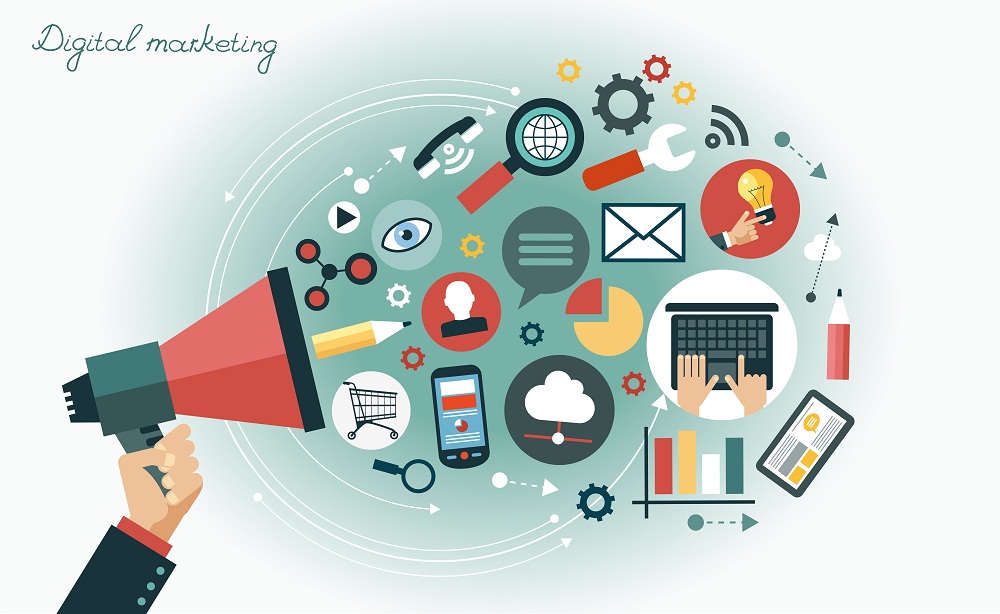
Retrieved from https://www.asim.rankmeup.in/blog/scope-of-digital-marketing-for-students-job-seekers/

The digital economy, as an aspect of continuously developing technology, has a huge impact on the global economy as well as the competitiveness of various industries. In this blog, I choose marketing as my interested job role, and will explore how marketing has already changed due to the digital economy. Then, I will investigate how marketing is likely to change further in the future.

With the wide usage of the Internet and the increasing use of mobile devices, digital marketing has become a significant aspect of business and marketing, as it has opened up a new form of selling goods and services (Colquhoun, 2018). Digital marketing has many components, including social media, the Internet of Things (IoT), artificial intelligence (AI), augmented reality (AR) and virtual reality (VR). 

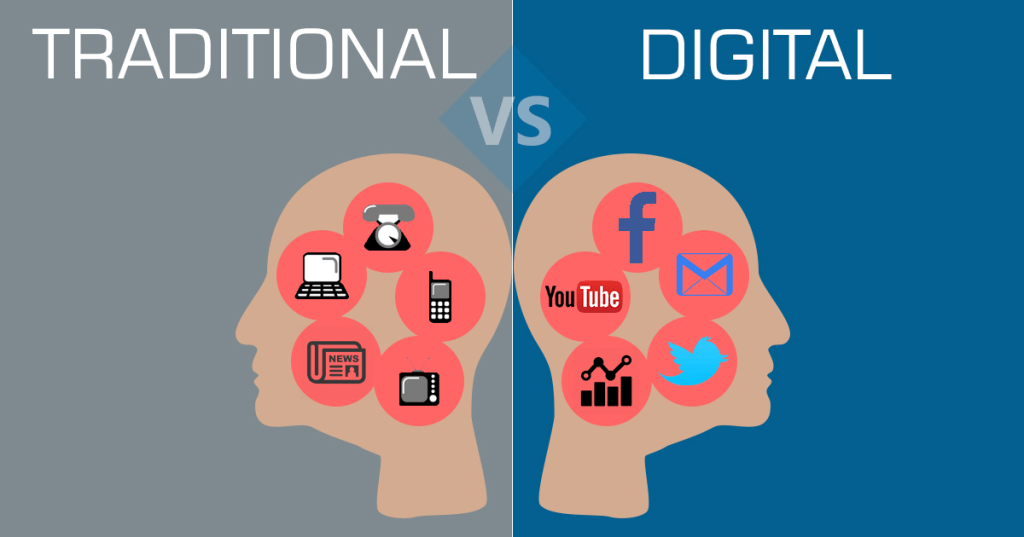
Retrieved from https://landerapp.com/blog/content-vs-traditional-marketing/

Traditional marketing advertisements often interrupted customers through irrelevant messages instead of delivering valuable information (Sharma, 2017) and therefore can be seen negatively. Contrarily, digital marketing channels such as social media can specifically target segments thus being more effective because digital marketing enables companies to use different platforms to reach different segments according to customers’ interests, education or income level, such as an online advertisement to younger people solely through Instagram. Besides, social media provides platforms to let customers interact with each other to exchange opinions which is more interesting, but it may lead to bad reputations if there are bad comments.

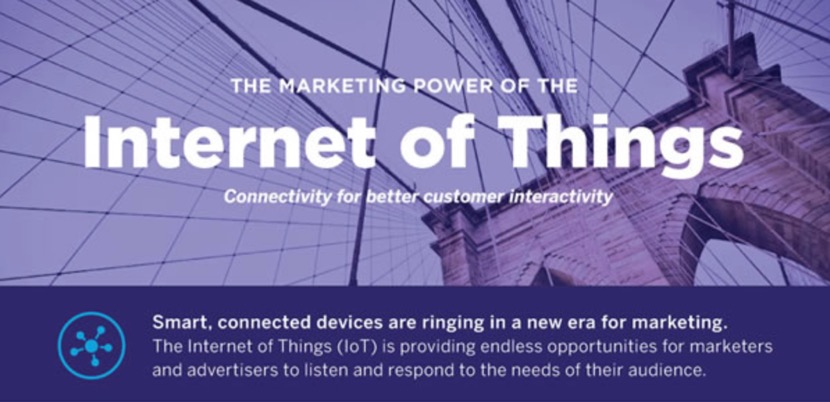
IoT also has a significant impact on modern marketing. Marketers can now use big data to calculate the demands and interests of customers based on data, such as web search history, purchase patterns or favourites, thus generating personalised data which drive the creation of specific information that is then delivered to customers (Saran, 2018). For example, I always watch influencers’ vlogs on YouTube, and then YouTube will provide some new recommendations which are closely related to what I have already watched or subscribed to. Therefore, in this personal example, it can be seen that big data helps to offer relevant and valuable information to customers, meaning the advertisements are aimed at target segments in a more effective and accurate method. 

The marketing power of the Internet of Things – Retrieved from https://www.i-scoop.eu/how-the-internet-of-things-impacts-marketing/

AI has also become an important tool in digital marketing, for example, adapting AI as Chatbots. Chatbots are automatic responders which means they can help reduce human error (Hall, 2019), produce quicker and relevant responses to customers at any time and can even provide customers with personalised services (Alford, 2019). Therefore, this example illustrates that AI can be useful in establishing good and close relationship with customers. Besides, AI is able to help marketers understand customers’ needs through the collection of data and information which can offer better insight into customer behaviour and preferences, in turn leading to better interactions and potentially higher sales (Alford, 2019). However, use of Chatbots often brings greater demand on the companies because people think companies can address problems as fast as they can and be online 24/7 (Agrawal, 2016). 

AI chatbots – Retrieved from https://medium.com/@technaureusmarketing/trends-in-digital-marketing-2019-9980365892b4

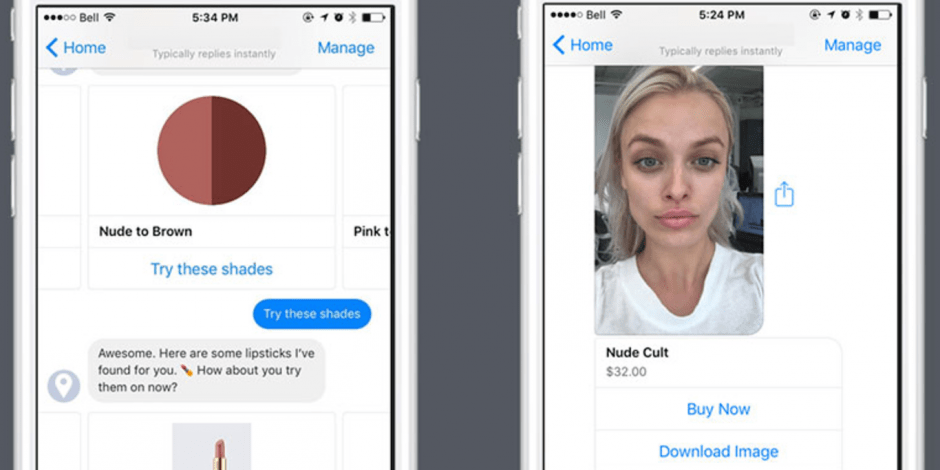
Furthermore, AR and VR are also significant in the digital economy and both have changed marketing. Many people are increasingly eager for a unique and multisensory buying experience (Lazarus, 2017). This may be the primary reason why AR and VR are attractive. From my own personal view, the opportunity to see how one item of clothing, or beauty product looks on me before purchasing is attractive and interesting, as AR is able to combine digital elements with a live view via the camera on a smartphone. Some beauty brands, such as MAC or Estee Lauder, have, for example, created Chatbots to allow customers to try their makeup through AR, which has greatly contributed to sales due to higher engagement and interactions (Velasco, 2017).  

Estee Lauder created Chatbots using AR to enable customers to try on lipsticks virtually- Retrieved from https://www.thedrum.com/news/2017/07/16/est-e-lauder-and-modiface-create-chatbot-lets-customers-try-lipstick-virtually

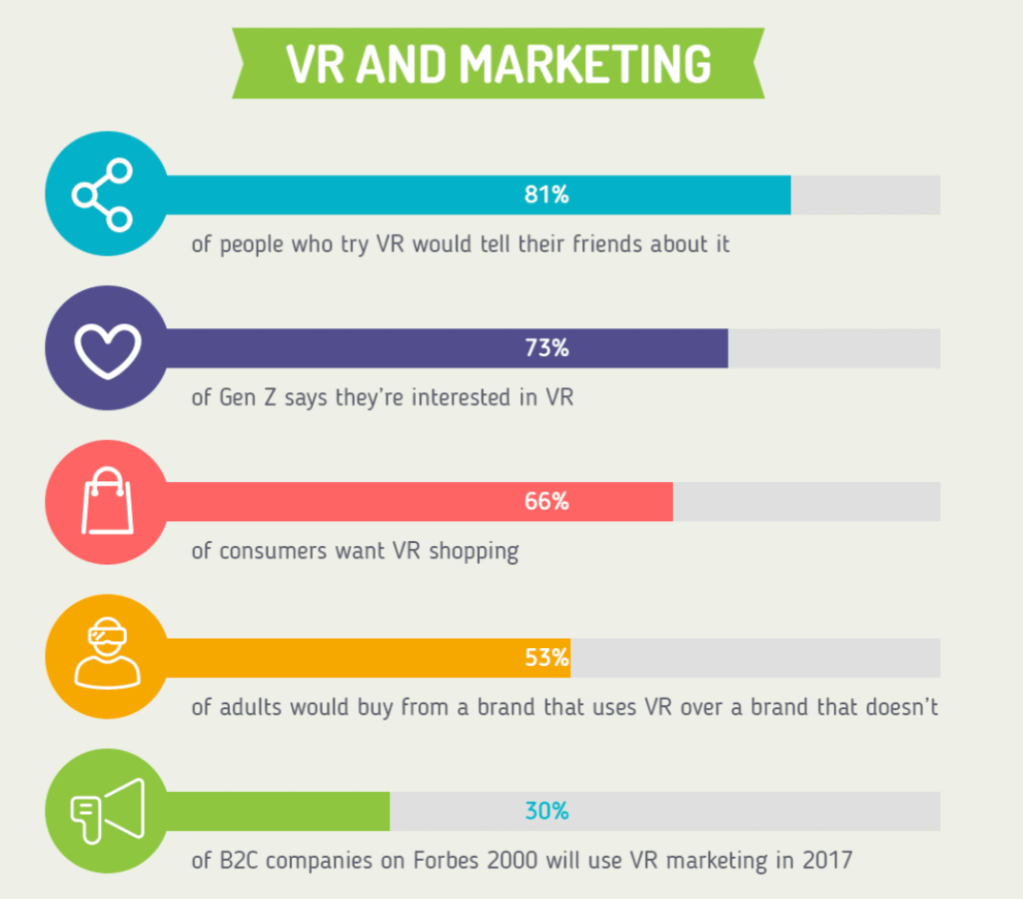
VR is about a completely immersive experience which can provide customers with a unique experience to enable them to connect with products through new business models (Walker, 2018). For example, Alibaba created a new function called Buy+ to add a new shopping option for customers through its virtual store. People can go anywhere through the application of VR glasses which can make wearers experience and feel a totally different place to where they are. Therefore, VR has increased the loyalty of customers which has achieved more engagement and response than any other platforms (Bhatia, 2019).

Why virtual reality matters to marketing – Retrieved from https://www.webfx.com/blog/marketing/why-virtual-reality-matters-to-marketing-infographic/

Retrieved from https://www.brightbridge.co/future-digital-marketing-look-like/

Digital transformation has obviously been popularised in marketing. The use of digital marketing has enabled organisations to constantly meet customers’ needs, as well as bringing benefits to organisations. It can be predicted that digital marketing using AI, AR or other relevant tools would be more popular and widespread in the future.

Personalisation is one of the major aspects of digital marketing in the future. Research has shown that at least 90% of online advertisers will start using personalisation, whilst there will be a significant increase of personalisation websites (Membrillo, 2019). This increase is because customers are more likely to feel respected and receive valuable messages which they appreciated, for example, data has demonstrated that personalised emails receive 29% higher open rates and 41% higher click-through rates than non-personalised emails (Membrillo, 2019).

Moreover, cooperating with social media influencers or bloggers will be more common as this method can establish a better connection with customers, because many people trust those who may be famous or they admire (Membrillo, 2019). Specifically, there are studies that indicate that 86% women consult social media before purchasing (Membrillo, 2019), thus demonstrating the importance of online marketing.

Furthermore, the digital economy requires marketers to be more transparent to customers in the future, especially to ensure customers know how the company handle customer’s data, and what kind of data will be used for the purposes of marketing (Membrillo, 2019). Moreover, it raised more key skills and training for the job position of marketing in the future, for example, innovative thinking, openness to lifelong learning, business insights from data analysis or staying up to date due to the fast pace of trends. 

Sources:

A short self-introduction

Hello! This is Siying Lu’s blog. I have set this blog up as part of the Digital Business Models module. I am a student from China, Jiangsu province, currently taking MSc International Business at the University of Exeter. I have completed three years of Marketing at Lancaster University for three years.

The blog will be set up to explore how digital business models are disrupting economies and industries around the world. The reason for me to choose this module is because it is important to learn some digital skills as the world is becoming more dominated by technology and digital business. In addition, I have learned something about digital business models when I was studying undergraduate and I am aware of its importance and interest. I also realized it is still far away from getting enough information about this area. I would like to gain some useful insights into digital business. Additionally, I am looking forward to learn some interesting and new knowledge in this course which can be used for my future career path.

在 WordPress.com 上免费创建您自己的网站。创建您自己的网站。
免费开始