This blog is to reflect on my journey of taking BEMM129. According to Finlay’s (2008) statement, the key aspect of reflective practice involves recapturing practice experiences and engaging in critical reflection in order to gain new understandings and so improve future practice. The process of reflection is a cycle, which is understood as part of the process of life-long learning, introduced by Gibbs (1998). I will follow the process to make my reflections.
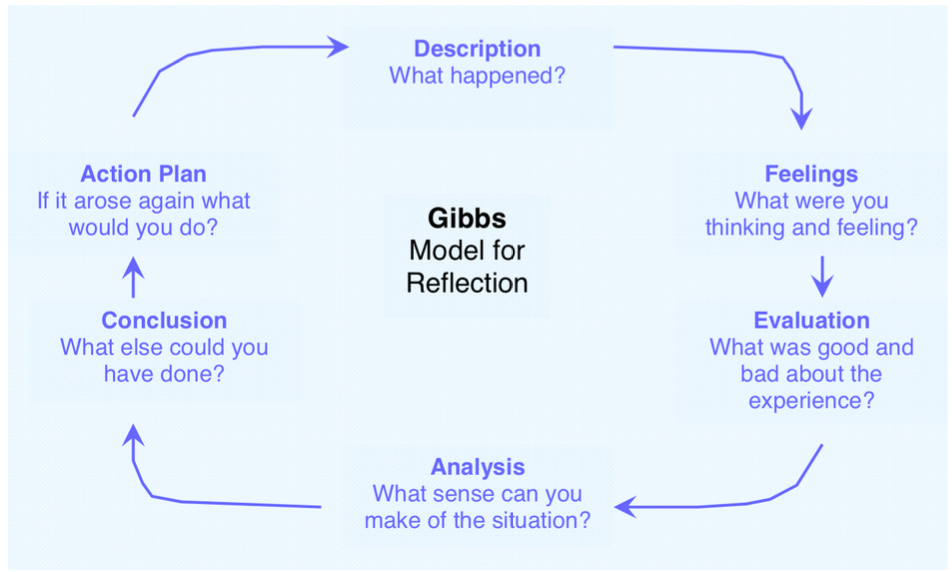
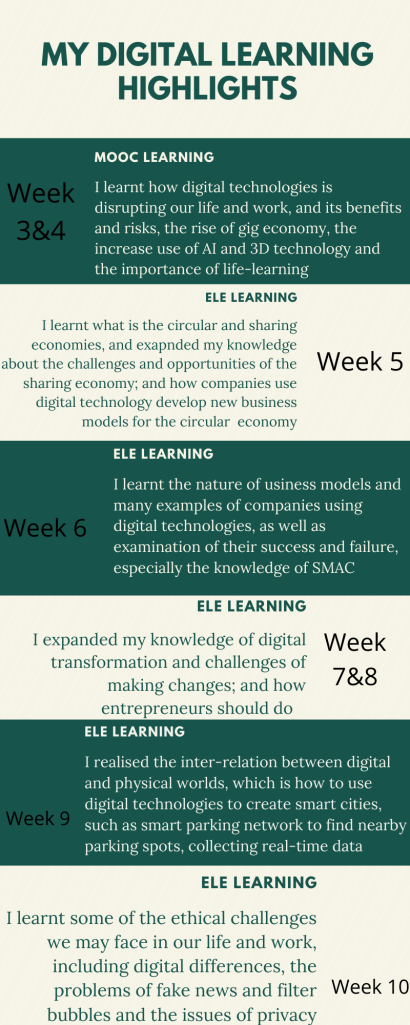
BEMM129 focuses on online interaction and discussion in order to develop my critical thinking skills and digital literacies. In this module, I contributed to online discussion on module materials weekly, as well as undertake MOOC learning to expand my knowledge of the digital world and engage in the interactions with other peers.
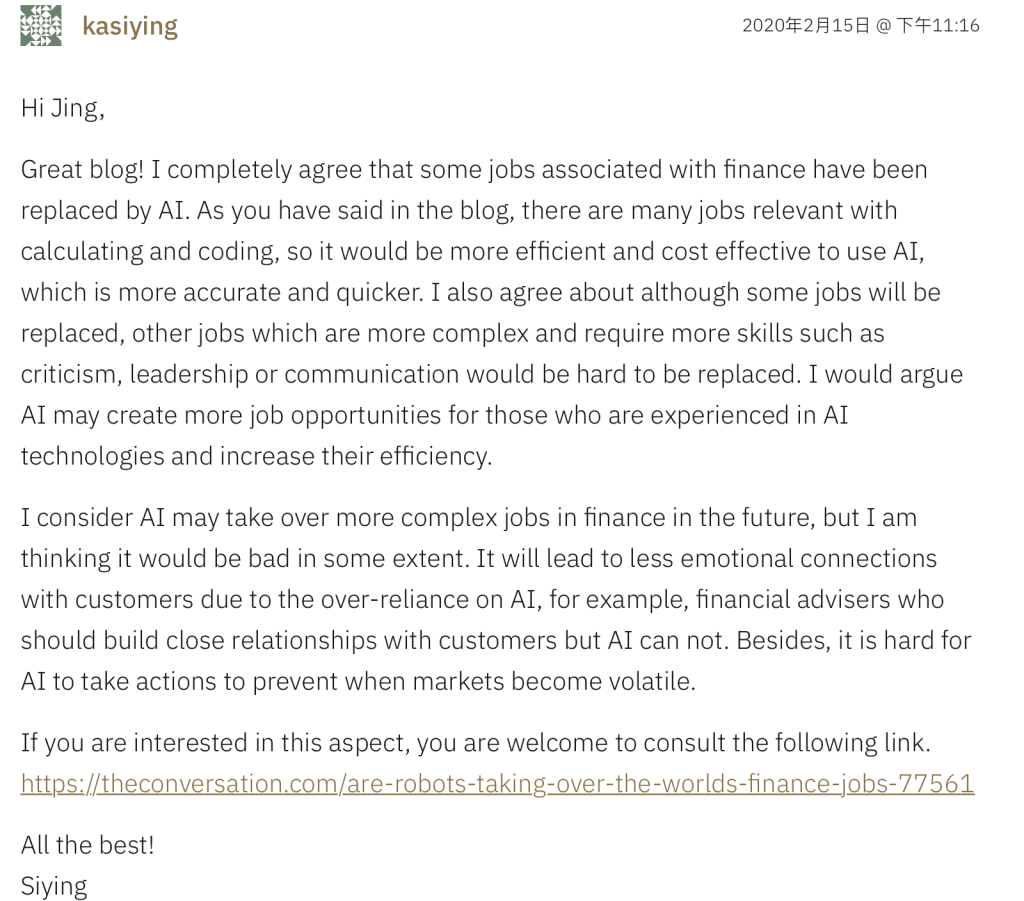
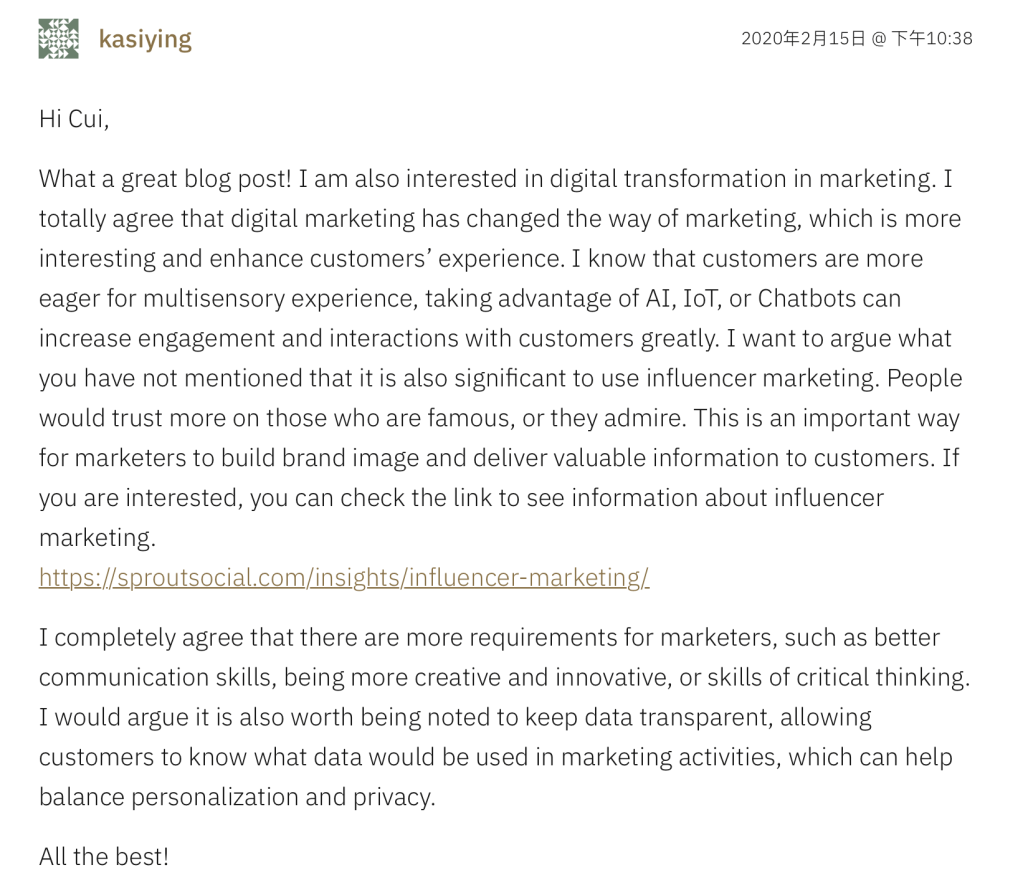
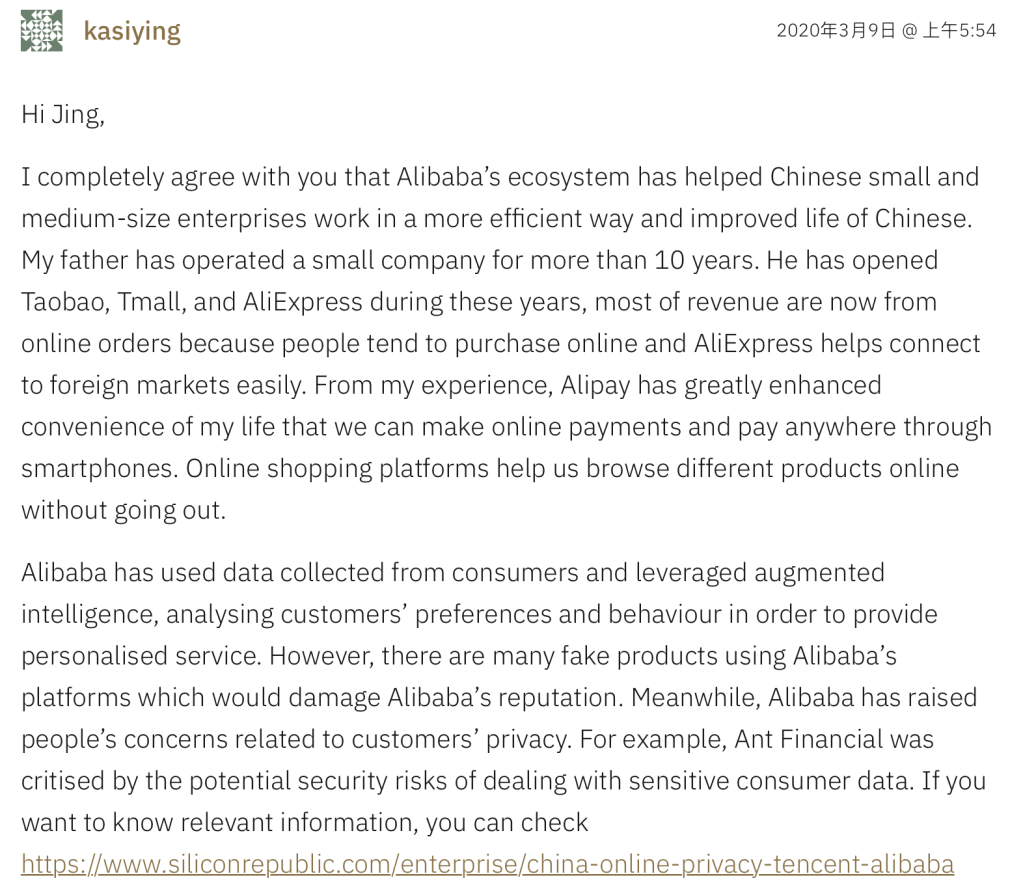
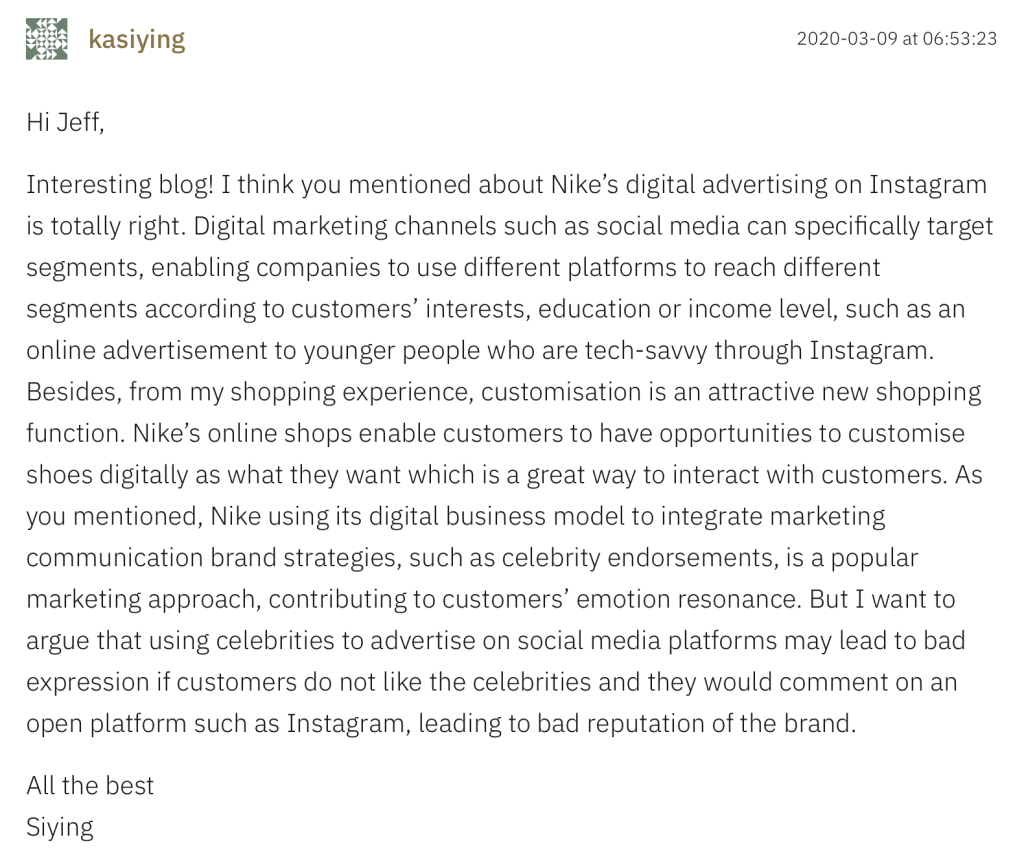
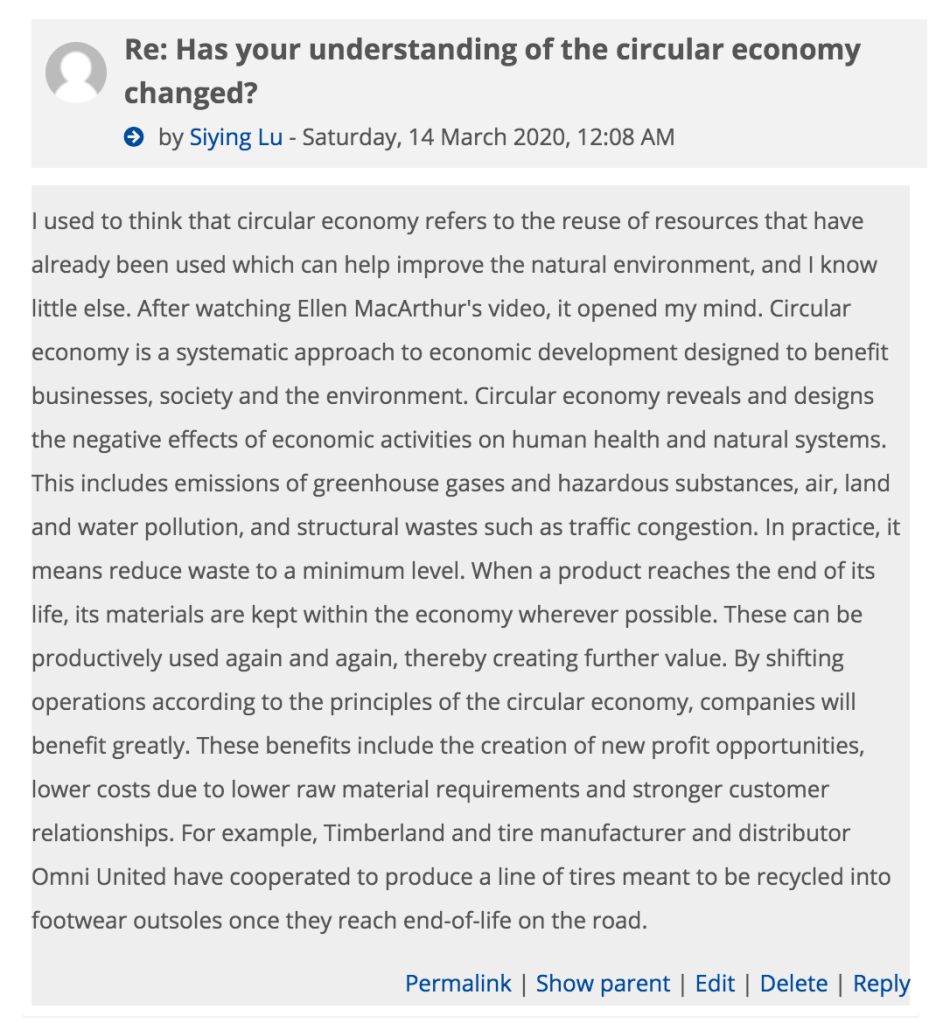
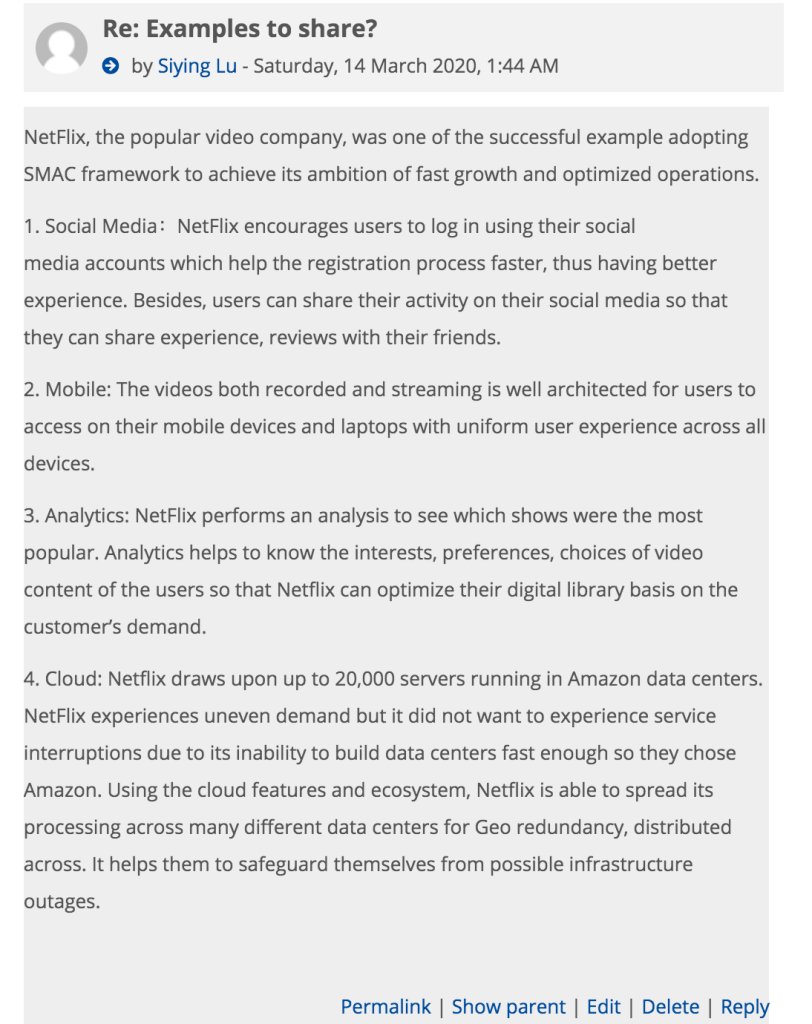
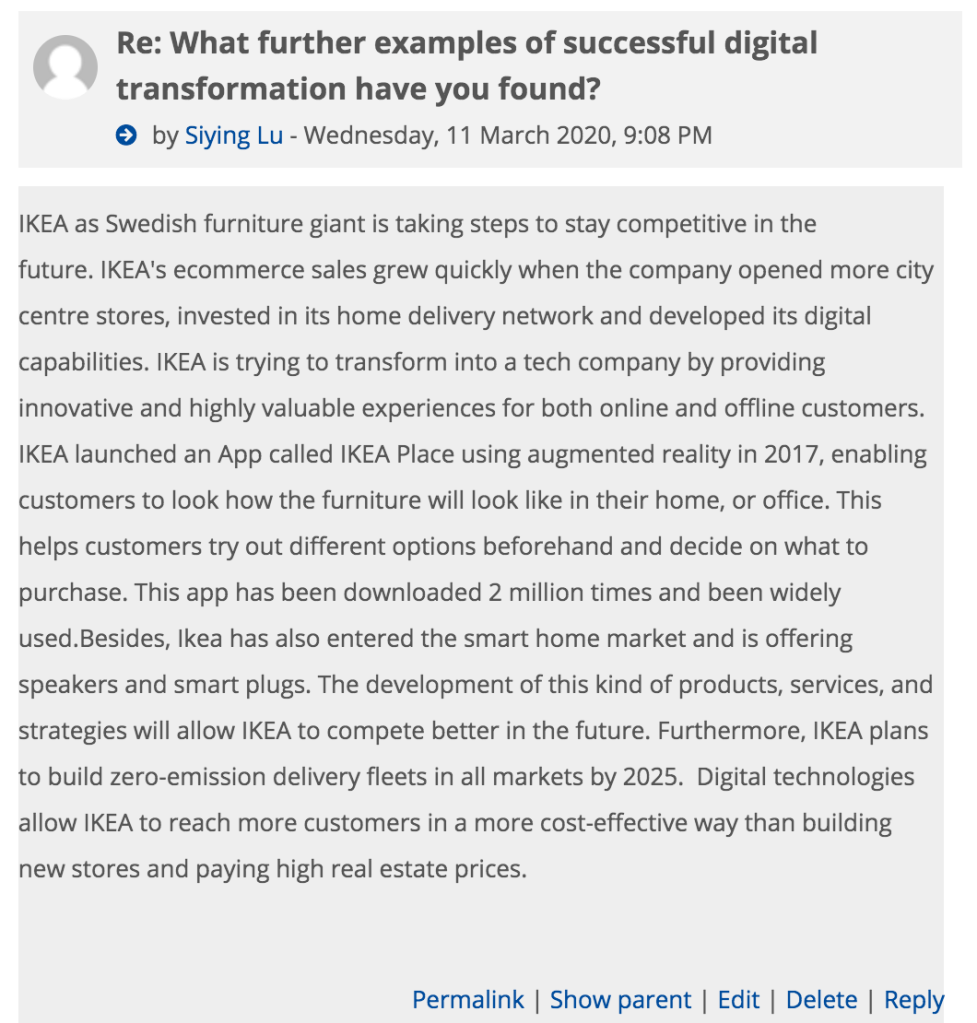
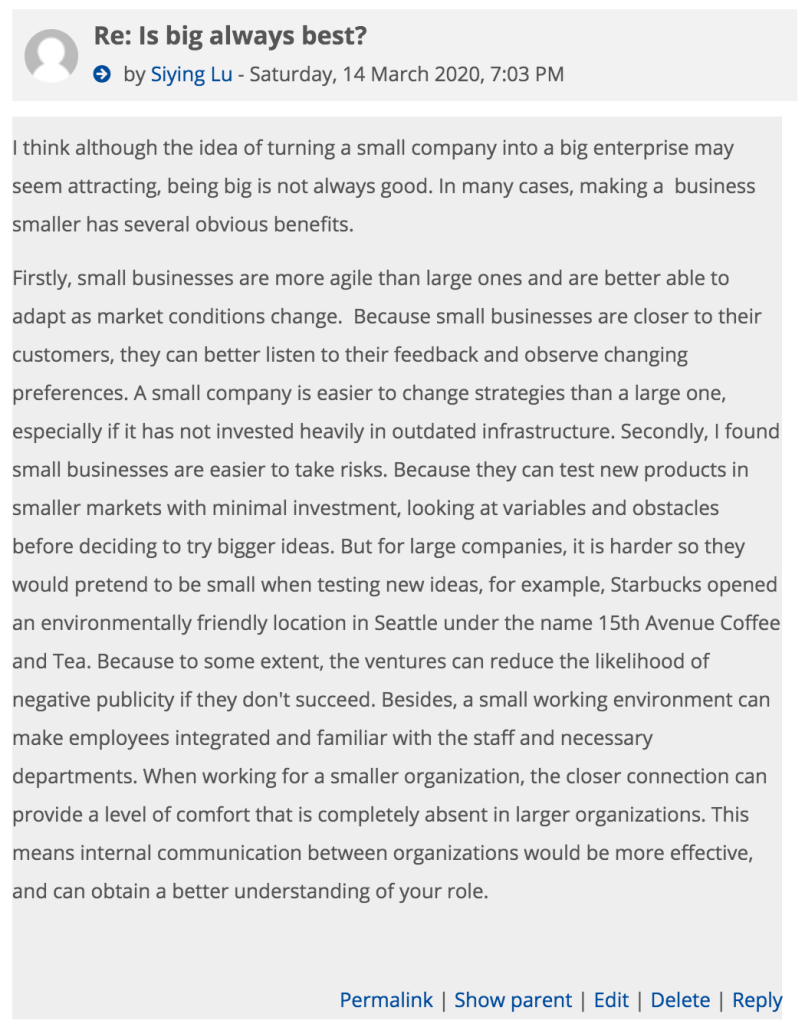

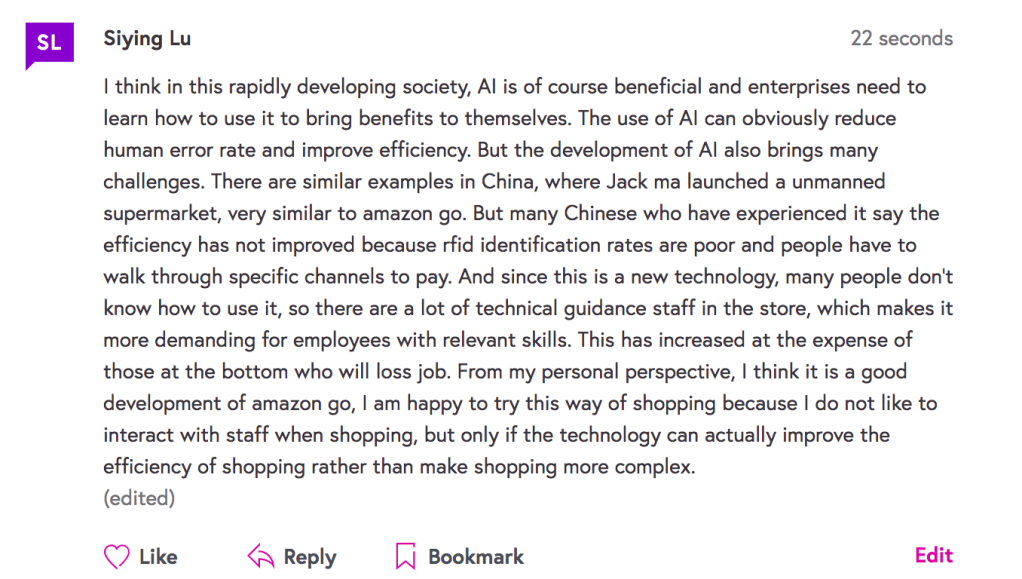
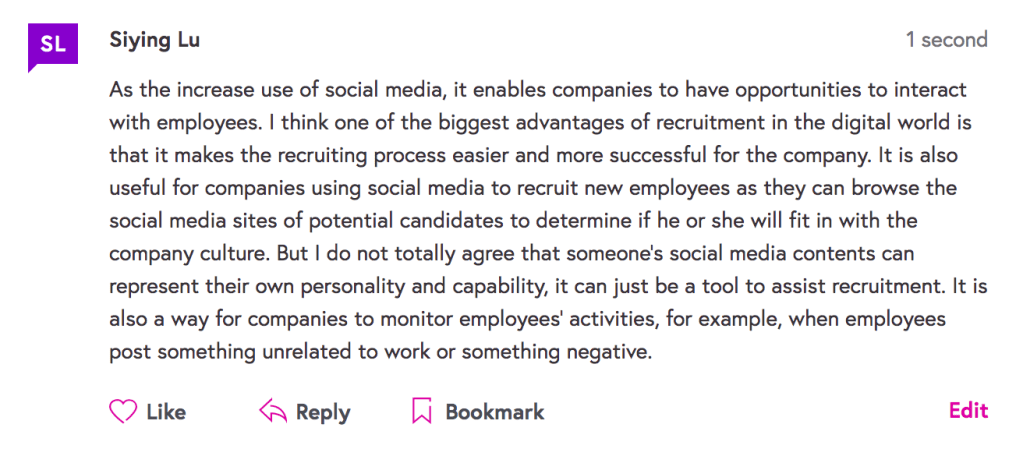
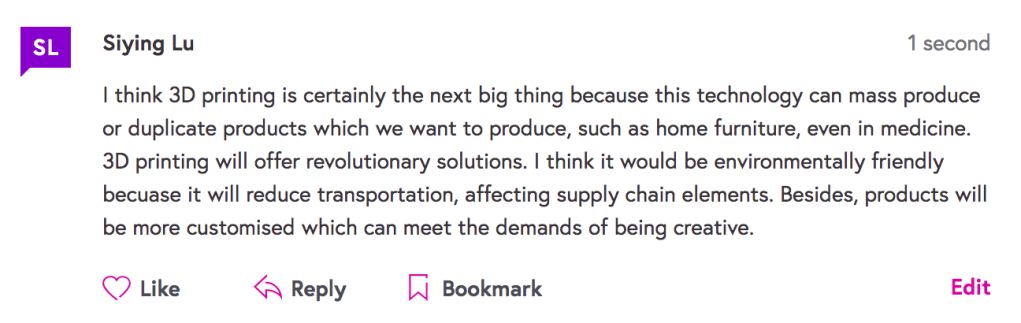
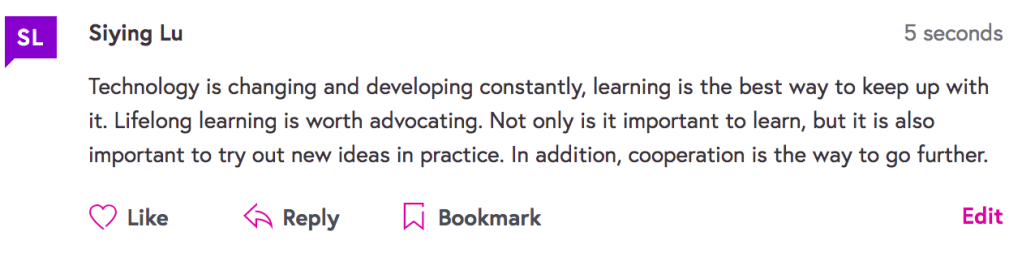
I was nervous and excited when I started to take this module. I was afraid of lacking digital literacies and related skills to support this module. Meanwhile, I was excited because I know digital transformation is inevitable that has revolutionised the way we work (Barker, 2018). After taking this module, I found the form of learning is open and interacting which enabled me to participate on online communities and build online networks, as well as evaluate different online materials.
The process of learning is not only writing and discussing on blogs and topics, but also evaluating and analysing on my work. The design of this module enables me to learn from peers, alumni and business partners to expand my knowledge and think in different perspectives. Through reading peers’ blogs and comments on my work, it helped me question my thoughts and self-evaluate which enhanced my understanding of widespread use of digital business models in the society and its opportunities and challenges.
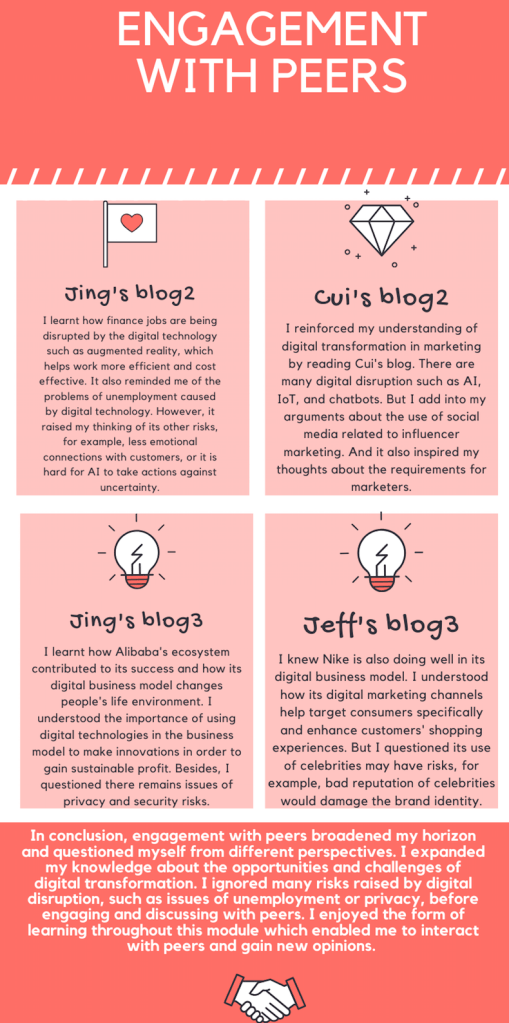
I also developed my skills in blogging and creating online materials such as infographics, videos and slideshows. However, I was unsuccessful in trying others such as audios. By actively engaging in MOOC and ELE discussions, I developed my knowledge and skills needed to achieve desired career goals in workplaces and made aware of new opportunities in the digital industry.
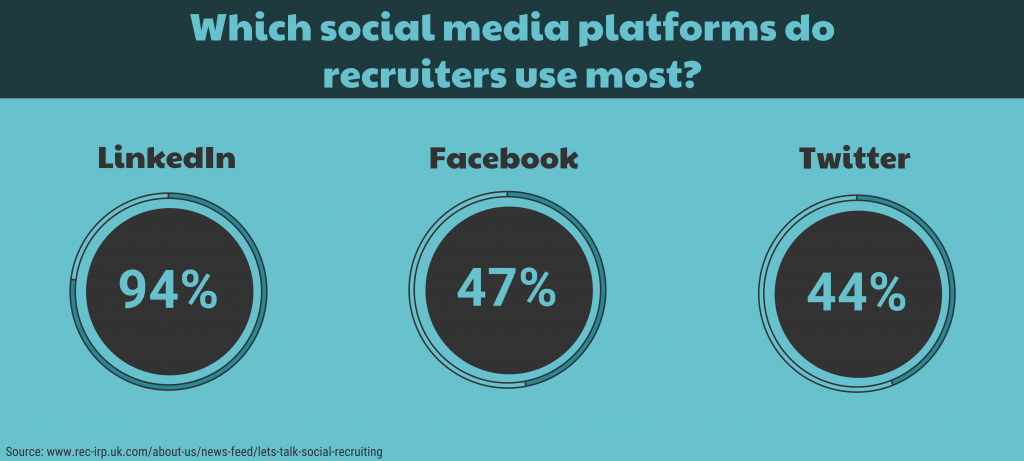
The skills and knowledge gained from this module will contribute to my further plans instead of ending here. The most interesting change for me is to start use social networking sites such as LinkedIn for my future career plans due to the increase use of social media to interact with employers and companies, as the research shows LinkedIn is the most popular social media platforms used in recruitment (Whitelegg, 2019). Meanwhile, I will also try to use Twitter in the future to participate in many high-quality academic discussions, as it enables academia to interact directly with people in other knowledge industries (Iber, 2016) and allows real-time updates and continuous interaction (Murray, 2019). I thought the module was engaging and beneficial so I have subscribed into other MOOCs and I will keep blogging for career plans.
Sources:
- Barker, S. (2018). The Importance of Digital Skills in the Workplace. Retrieved from https://www.seetec.co.uk/employer/insights/the-importance-of-digital-skills-in-the-workplace
- Finlay, L. (2008). Reflecting on ‘Reflective practice’. Practice-based Professional Learning Paper 52, The Open University. Retrieved from http://oro.open.ac.uk/68945/1/Finlay-%282008%29-Reflecting-on-reflective-practice-PBPL-paper-52.pdf
- Gibbs, G. (1988). Learning by doing: a guide to teaching and learning methods. Oxford: Further Education Unit, Oxford Polytechnic.
- Iber, P. (2016). A Defense of Academic Twitter. Retrieved from https://www.insidehighered.com/advice/2016/10/19/how-academics-can-use-twitter-most-effectively-essay
- Murray, J. (2019). How to use Twitter to find a job in 2020. Retrieved from https://www.savethestudent.org/student-jobs/how-to-get-a-job-using-twitter.html
- Whitelegg, D. (2019). How are recruitment agencies using social media and what are the benefits? Retrieved from https://www.agencycentral.co.uk/recruitment-spotlight/social-media-and-recruitment-guide/
Link to the comments:
- Jing’s blog2: The Financial Industry Under the Impact of Digital Economy and Artificial Intelligence. https://jj435exeterdrive.car.blog/2020/02/13/the-financial-industry-under-the-impact-of-digital-economy-and-artificial-intelligence/
- Cui’s blog2: Transformation in the role of marketing managers. https://aozhe.travel.blog/2020/02/10/example-post/
- Jing’s blog3: Alibaba’s Development Under Digital Bussiness. https://jj435exeterdrive.car.blog/2020/03/04/alibabas-development-under-digital-bussiness/
- Jeff’s blog3: Nike Digital Business Model. https://jeff745.music.blog/2020/03/06/nike-digital-business-model-2/
 Siying Lu' blog